
Become the Next Esports Superstar: How to Get into Competitive Gaming

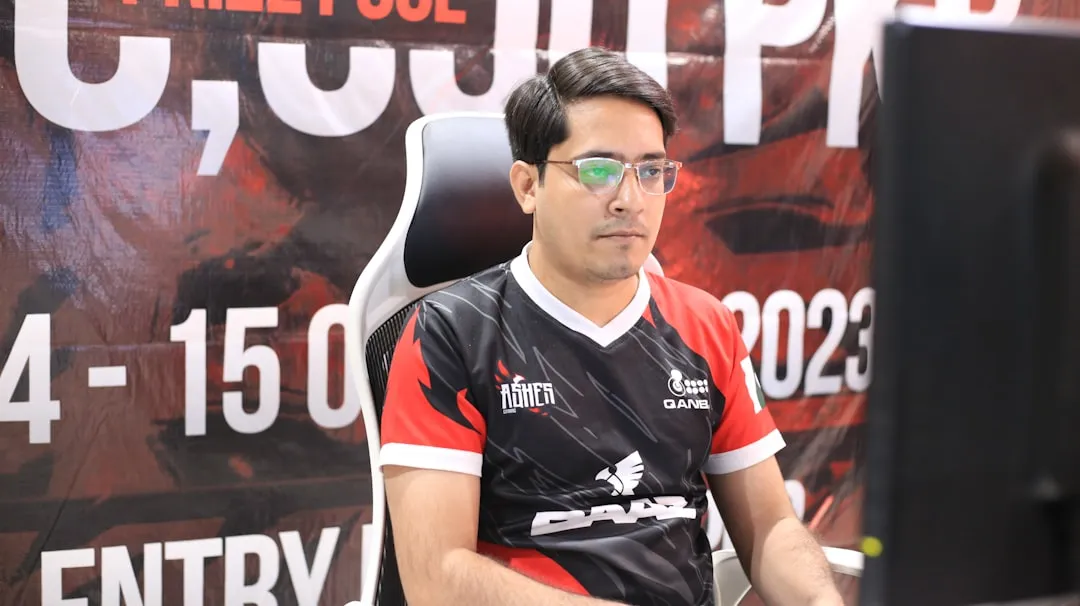
I spent a stretch on the low-tier CS:GO scene before I traded a mouse and keyboard for a keyboard I actually type articles on. So when people ask me what it takes to go pro, I don't give them a motivational-poster answer. I give them the version I wish someone had given me.
Esports stopped being a novelty a long time ago. There's real prize money, real salaries, and a real pathway now - but "real" doesn't mean "easy." If you want to reach the level of the players actually getting paid to compete, here's what the path realistically looks like.
Choose Your Game
You don't get good at esports the way you get good at "gaming" in general. You get good at one game, deeply, over years. Trying to be competent across CS2, Valorant, League, and Dota at once is how you stay mediocre at all four.
Pick the game you can't stop playing anyway - that matters more than picking whatever's trending. Then check it has a real competitive scene worth committing to: an active pro circuit, a ranked ladder deep enough to climb, and a community that's still growing, not one already past its peak.
Choose Your Platform (and Your Setup)
PC is still where most competitive esports scenes live, particularly for shooters and MOBAs, though console scenes (Rocket League, Call of Duty) are entirely legitimate paths too if that's where you actually play.
Whatever platform you're on, your gear stops being a shopping-list afterthought once you're serious. A mouse that tracks consistently, a keyboard that doesn't ghost inputs under pressure, and a monitor that doesn't add input lag between your click and what you see on screen - these aren't luxuries, they're the difference between your mechanical skill actually showing up in-game or getting lost in translation.
Join the Community
Individual talent gets you nowhere if you're playing in a vacuum. Get onto the Discord servers, the subreddits, the tier lists - wherever your game's community actually organizes itself - and pay attention to how the good players talk about the meta, not just how they play it.
This is also the fastest way to figure out if the pro-player lifestyle is actually something you want, before you've sunk years into finding out the hard way.
Practice With Intent
"Practice makes perfect" is true but useless as advice. What actually moves the needle:
- Scrim against people better than you, not just ranked queue against whoever you're matched with. Losing on purpose to good players teaches you more than winning against bad ones.
- Review your own games. Watch your own VODs the way you'd watch a pro's - not to feel bad, to find the specific decision that lost you the round.
- Study the meta, not just mechanics. Aim and reflexes get you far. Understanding why the current strategy works is what separates a good amateur from someone a team wants to sign.
Build a Reputation
Rank climbing is necessary but not sufficient. Teams and orgs notice players who show up consistently in the same lobbies, the same scrim groups, the same small tournaments - not just whoever tops a leaderboard once.
If you're aiming for a team game, find a consistent group and stick with them long enough to actually develop chemistry. Constantly swapping teammates resets your progress every time.
Compete for Real
Ranked ladders and pickup games only get you so far. At some point you need actual tournament reps: league qualifiers, open brackets, community cups - whatever your game's ecosystem offers at the entry level. Losing in a real bracket teaches you things ranked never will, including how to perform when it actually counts.
Get Noticed
Being good is half the job. The other half is being visible. Streaming your practice (not just your wins) shows scouts and org managers something a highlight reel can't: consistency and process. A clean, low-latency setup and a mic that doesn't cut out matter here too - it's a small thing, but it's the first impression a scout gets before they've seen a single round of your gameplay.
Once you're in genuinely competitive lobbies, start networking deliberately. That's usually how the jump from "good amateur" to "on somebody's radar" actually happens - not through a single viral clip, but through the accumulated impression of showing up well, repeatedly, in front of the right people.
None of this guarantees you make it. Most people who try, don't. But if you're going to try anyway, do it with a realistic map of the terrain instead of a highlight reel's version of how it happens.